Pregnancy brings a flood of advice from every direction — well-meaning relatives, social media, and sometimes conflicting guidance from different corners of the internet. Few topics generate as much confusion as weight gain. How much is healthy? Is more always better for the baby? Should you be “eating for two”? This guide cuts through the noise with evidence-based information to help you approach weight management during pregnancy with confidence.
Why Weight Management Matters for Mom and Baby
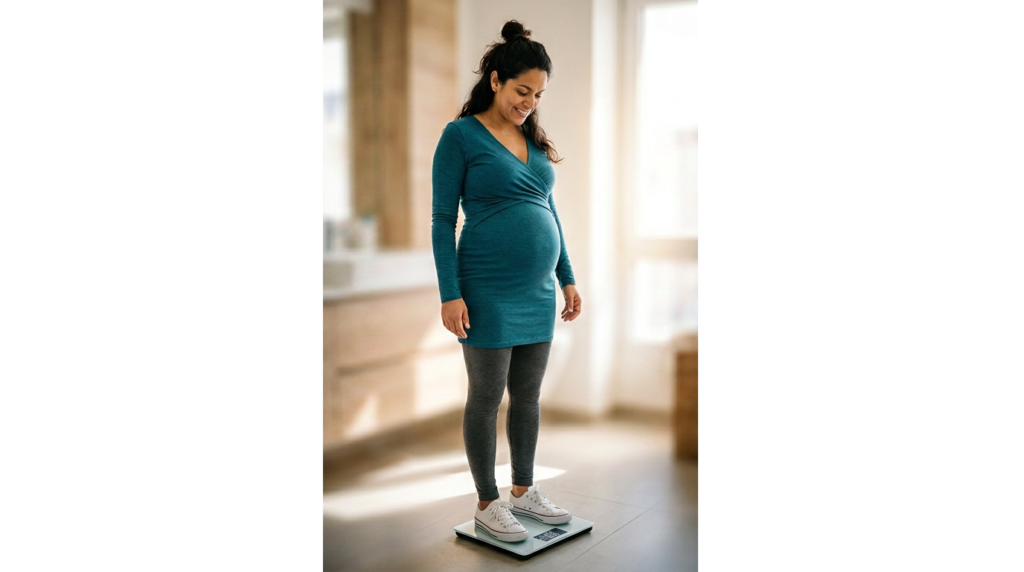
Gaining a healthy amount of weight during pregnancy supports fetal development and reduces risks for both mother and baby. According to Health Canada prenatal guidelines, weight gain that’s too low is associated with preterm birth and low-birth-weight infants. It can also increase the risk of a host of health problems for the infant including severe illnesses, increased risk of neonatal mortality, physical and mental cognitive disabilities, and health problems that can occur later in life. The same prenatal guidelines also state that weight gain that’s too high raises the risk of gestational diabetes, preeclampsia, cesarian delivery, and babies born large-for-gestational age, which can complicate delivery. It also makes postpartum weight loss more difficult and may increase long-term health risks for the child, including risk for Type 2 Diabetes later in life. This is why it’s important to work with your doctor on finding the weight range that supports a healthy pregnancy and delivery.
Debunking the “Eating for Two” Myth
Perhaps no phrase has done more to distort pregnancy nutrition than “eating for two.” In reality, calorie needs increase only modestly, and not until later in pregnancy. According to MedlinePlus (U.S. National Institutes of Health), most women need no additional calories in the first trimester, roughly 340 extra calories per day in the second trimester, and about 450 extra calories per day in the third trimester. Quality of intake matters far more than quantity.
Source: https://medlineplus.gov/ency/patientinstructions/000584.htm
The Importance of an Individualized Approach
Every pregnancy is different, and weight gain recommendations are not one-size-fits-all. Your pre-pregnancy BMI, overall health, whether you’re carrying one baby or multiples, and any pre-existing conditions all shape what’s appropriate for you. The guidelines in this article reflect general recommendations for singleton (single baby) pregnancies, but your healthcare provider should always have the final say on what’s healthy for your specific situation.
Recommended Weight Gain Ranges (Based on Pre-Pregnancy BMI)
The Institute of Medicine (IOM) provides the most widely used framework for pregnancy weight gain, based on your body mass index (BMI) before conception:
| Pre-Pregnancy BMI Category | BMI Range | Recommended Total Weight Gain |
| Underweight | Below 18.5 | 28–40 lbs |
| Normal weight | 18.5–24.9 | 25–35 lbs |
| Overweight | 25–29.9 | 15–25 lbs |
| Obese | 30 and above | 11–20 lbs |
Source: 2009 review of Institute of Medicine guidelines: https://www.nationalacademies.org/read/12584/chapter/2#5
If you don’t know your pre-pregnancy BMI, you can ask your doctor for that number. These ranges represent healthy targets (for women over 20 years old of average height and weight) — not strict rules — and your provider will monitor your progress at each visit, adjusting guidance as needed.
Weight Distribution Breakdown
It can be reassuring to understand where pregnancy weight actually goes. For a woman gaining within the normal-weight range, a typical breakdown looks like this:
- Baby: 7–8 lbs
- Placenta: 1–2 lbs
- Amniotic fluid: 2 lbs
- Breast tissue: 1–2 lbs
- Blood volume: 3–4 lbs
- Uterus: 2 lbs
- Maternal fat stores: 5–9 lbs
This breakdown shows that the baby itself accounts for less than a third of total weight gain. The remaining weight supports the physiological changes your body undergoes to grow, nourish, and deliver your baby — plus fat stores that help fuel breastfeeding after birth.
Trimester-by-Trimester Guidance
First Trimester: Focus on Nutrition, Not Weight Gain (0–5 lbs total)
Many women gain very little weight in the first trimester and some gain none at all, while others may even lose a small amount due to nausea. This is normal. The priority during these early weeks isn’t the number on the scale; it’s ensuring adequate intake of key nutrients (especially folate) to support the rapid development happening in the beginning stages. If nausea is limiting what you can eat, try having small, frequent, nutrient-dense meals instead of three large ones.
Second Trimester: Steady Gain (About 1 lb per Week)
As appetite returns and nausea eases, weight gain becomes more consistent around one pound per week for women in the average-weight category. The rate is lower for those starting in the overweight or obese categories, and higher for those starting underweight. This is when calorie needs increase modestly, and it’s a good time to establish steady, sustainable eating patterns.
Third Trimester: Continued Steady Gain (About 1 lb per Week)
Weight gain typically continues at a similar pace through most of the third trimester, often leveling off slightly in the final weeks as the baby settles into position. During this time appetite may naturally decrease. Continue prioritizing nutrient density, especially as your baby’s brain and organs undergo significant development.
Nutrition Essentials
Protein: Building Blocks for Baby’s Growth
Protein supports the rapid growth of fetal tissue, including the brain, and contributes to the growth of the placenta and maternal blood supply. Good sources include lean meats, poultry, fish (low-mercury varieties), eggs, dairy, beans, lentils, and tofu.
Healthy Fats: Brain Development Support
Consuming fats in your diet, particularly omega-3 fatty acids like DHA play a critical role in fetal brain and eye development. Sources include fatty fish (salmon, sardines), walnuts, chia and flax seeds, avocados, and olive oil.
Complex Carbohydrates: Sustained Energy
Whole grains, legumes, vegetables, and fruits provide steady energy and fiber, which helps manage the constipation that’s common in pregnancy. These carbohydrates are digested more slowly than refined sugars, helping avoid the blood sugar spikes and crashes that can affect energy and mood.
Micronutrients: Folate, Iron, Calcium, and Vitamin D
- Folate/folic acid is essential for preventing neural tube defects and is most critical in early pregnancy — ideally started before conception.
- Iron supports the significant increase in blood volume and helps prevent anemia, which becomes more common as pregnancy progresses.
- Calcium supports the development of baby’s bones and teeth while protecting maternal bone density.
- Vitamin D works alongside calcium for bone development and supports immune function.
A daily prenatal vitamin, combined with a varied diet, typically covers these needs — but your provider may recommend additional supplementation based on bloodwork.
Source: https://www.hopkinsmedicine.org/health/wellness-and-prevention/nutrition-during-pregnancy, https://www.canada.ca/en/health-canada/services/food-guide/eating-support/life-stages/pregnant-breastfeeding.html
Safe Exercise During Pregnancy
Regular physical activity during pregnancy supports healthy weight gain, improves mood and sleep, reduces back pain, and may ease labor and delivery. For most women with uncomplicated pregnancies, 150 minutes of moderate-intensity activity per week is a reasonable target.
Recommended Activities
- Walking — low-impact, easy to sustain throughout pregnancy
- Swimming — gentle on joints while providing full-body conditioning
- Prenatal yoga — builds flexibility, strength, and breathing techniques useful for labor
Modifications for Each Trimester
- First trimester: Most pre-pregnancy exercise routines can continue, with attention to hydration and avoiding overheating.
- Second trimester: Avoid exercises performed flat on your back for extended periods, as the growing uterus can compress major blood vessels. Balance may shift as your center of gravity changes.
- Third trimester: Lower-impact modifications become more important as joints loosen and balance is further affected. Shorter, more frequent sessions may feel more comfortable than longer ones.
Warning Signs to Stop Exercise
Stop activity and contact your provider if you experience vaginal bleeding, dizziness, chest pain, calf pain or swelling, contractions, fluid leaking, decreased fetal movement, or unusual shortness of breath before exertion.
When to Consult Your Healthcare Provider
While some variation in weight gain is normal, certain patterns warrant a conversation with your provider:
- Rapid weight gain (especially sudden gain of several pounds in a single week), which can sometimes signal preeclampsia, particularly when paired with swelling and headaches
- Weight loss or failure to gain weight over an extended period, especially in the second and third trimesters
- Swelling concerns, particularly sudden or severe swelling in the face, hands, or feet
- Unusual symptoms such as persistent headaches, vision changes, upper abdominal pain, or decreased fetal movement
Your prenatal visits are designed to catch these patterns early, so don’t hesitate to bring up any concerns between appointments as well.
Source: https://csepguidelines.ca/guidelines/pregnancy/, https://www.acog.org/womens-health/faqs/exercise-during-pregnancy
Final Thoughts
Healthy weight management during pregnancy isn’t about hitting a perfect number, it’s about consistent, nutrient-focused eating, appropriate physical activity, and open communication with your healthcare provider throughout the process. Every pregnancy is different and the guidelines here are a starting point for a conversation with your provider, not a substitute for individualized medical care.
This article is for informational purposes and does not replace personalized medical advice. Always consult your healthcare provider regarding weight gain, nutrition, and exercise during your pregnancy.
Health Authority Links:
CDC weight gain during pregnancy: https://www.cdc.gov/maternal-infant-health/pregnancy-weight/index.html
EUFC healthy weight during pregnancy: https://www.eufic.org/en/healthy-living/article/healthy-weight-gain-during-pregnancy
Health Canada food guide for pregnancy and breastfeeding: https://www.canada.ca/en/health-canada/services/food-guide/eating-support/life-stages/pregnant-breastfeeding.html
Helpful Links:
Check out our Calorie Counter with nutrition tracking, and our Pregnancy BMI Calculator
Leave a Reply